



Does Ceramic Window Tint Interfere with Cell Signal or GPS?
Modern drivers face a common dilemma when considering window tinting: will ceramic tint disrupt their phone calls, GPS navigation, or Bluetooth connectivity? This concern stems from outdated information about older tinting technologies and creates unnecessary hesitation around one of today’s most effective automotive upgrades. Understanding the science behind ceramic window tint reveals why these signal interference fears are largely unfounded, allowing you to make an informed decision about protecting your vehicle and enhancing your driving experience.
The confusion surrounding ceramic window tint and signal interference often traces back to experiences with metallic window films from previous decades. These older technologies contained metal particles that could indeed interfere with radio frequencies, creating legitimate concerns about connectivity issues. However, ceramic tinting represents a revolutionary advancement in automotive film technology, engineered specifically to eliminate these problems while delivering superior performance across multiple metrics.
This comprehensive guide examines the technical aspects of ceramic window tint and its interaction with electronic signals, providing you with the authoritative information needed to separate myth from reality and understand why ceramic tint has become the premium choice for discerning vehicle owners.
What Is Ceramic Window Tint?
Advanced Technology
Ceramic window tint represents the pinnacle of automotive film innovation, utilizing non-metallic, nano-ceramic particles suspended within multiple layers of precision-engineered polyester. This cutting-edge composition eliminates the signal interference issues associated with metallic alternatives while delivering exceptional optical clarity and heat rejection performance that surpasses traditional tinting solutions.
Benefits Beyond Privacy
Professional-grade ceramic films provide comprehensive protection that extends far beyond visual privacy, offering superior heat rejection that can reduce interior temperatures by up to 60%, virtually complete UV ray blockage to prevent interior fading and skin damage, and enhanced structural integrity that strengthens glass against impact while maintaining crystal-clear visibility.
Why It’s Popular
The growing preference for ceramic tint among automotive enthusiasts and everyday drivers reflects its unmatched combination of performance, durability, and technological sophistication, representing a quantum leap forward from conventional dyed or hybrid tinting options that compromise on either effectiveness or longevity.
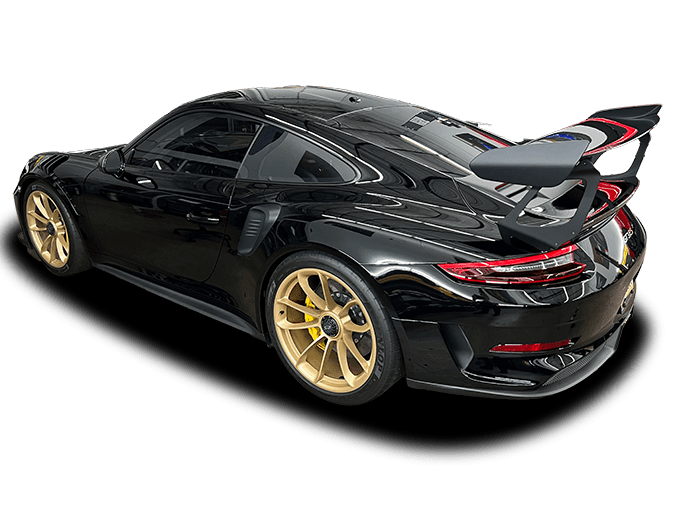
Ceramic Window Tint
Signal Interference Explained
How Signals Travel
Modern vehicle communication systems rely on radio wave transmission across specific frequency ranges, with GPS satellites broadcasting on L-band frequencies around 1.2-1.6 GHz, cellular networks operating across multiple bands from 700 MHz to 2.6 GHz, and Bluetooth utilizing the 2.4 GHz ISM band for short-range device connectivity.
What Causes Blockages
Signal interference typically occurs when materials containing conductive elements, particularly metals, create electromagnetic barriers that reflect, absorb, or scatter radio frequencies, with the degree of interference directly correlating to the material’s electrical conductivity and the specific wavelengths involved.
Why Tint Became a Suspect
The association between window tinting and signal problems originated from legitimate issues with early metallic films that incorporated aluminum, copper, or other conductive materials specifically designed to reflect heat and light, inadvertently creating Faraday cage effects that blocked electronic communications.
The Truth About Ceramic Tint and Electronics
No Metal, No Problem
Ceramic window tint’s revolutionary nano-particle composition contains zero metallic elements, utilizing instead precisely engineered ceramic compounds that provide thermal and optical benefits without creating the conductive pathways responsible for electromagnetic interference, ensuring complete compatibility with all electronic systems.
Independent Testing Results
Extensive laboratory testing and real-world evaluations consistently demonstrate that premium ceramic films produce zero measurable impact on GPS accuracy, cellular signal strength, or Bluetooth connectivity, with many studies showing identical performance metrics between tinted and untinted vehicles across diverse geographic and technological conditions.
Real-World Experiences
Thousands of ceramic tint installations across Arizona and beyond have generated overwhelmingly positive feedback from drivers who report maintained or even improved signal quality, with many customers expressing relief at discovering their connectivity concerns were completely unfounded while enjoying the substantial comfort and protection benefits.
Comparing Ceramic Tint with Metallic Tint
Metallic Films and Signal Issues
Traditional metallic window films achieve heat rejection through microscopic metal particles that inherently possess conductive properties, creating electromagnetic shielding effects that can reduce signal strength by 10-50% depending on the specific metallic composition and film thickness, making them incompatible with modern connectivity requirements.
Ceramic Tint’s Non-Conductive Nature
The sophisticated ceramic particle structure maintains complete electrical neutrality, allowing radio frequencies to pass through unimpeded while still providing exceptional infrared heat rejection through advanced selective filtering technology that targets thermal wavelengths without affecting communication frequencies.
Side-by-Side Performance
Comprehensive performance comparisons reveal ceramic tint’s clear superiority, delivering equivalent or superior heat rejection and UV protection while maintaining perfect signal transparency, enhanced optical clarity, and long-term color stability that metallic alternatives cannot match.
Auto Ceramic Window Tint
Beyond Signal Strength: The Hidden Perks of Ceramic Tint
UV Defense
Premium ceramic films block up to 99% of harmful ultraviolet radiation, providing essential protection against skin cancer risks during extended driving periods while preventing costly interior deterioration including dashboard cracking, upholstery fading, and leather degradation that significantly impacts vehicle resale value.
Glare Reduction
Advanced ceramic technology dramatically reduces solar glare without compromising visual acuity, enhancing driving safety during challenging conditions such as sunrise, sunset, or bright snow reflection while reducing eye strain and fatigue during long-distance travel.
Improved Comfort
Superior infrared heat rejection capabilities maintain significantly cooler interior temperatures, reducing air conditioning load by up to 40% for improved fuel efficiency and enhanced passenger comfort, while providing year-round benefits that make every drive more enjoyable regardless of weather conditions.
When Poor Signals Happen: Other Factors to Consider
Dead Zones Exist
Signal strength variations result from numerous environmental factors including geographic terrain, cellular tower proximity, weather conditions, and urban infrastructure density, with these external variables having far greater impact on connectivity than any window tinting application could produce.
Your Vehicle’s Design
Modern vehicles incorporate various electromagnetic shielding elements including factory-tinted glass with metallic coatings, extensive electronic systems that generate interference, and structural components that naturally affect signal propagation, making the vehicle itself a more significant factor than aftermarket window films.
Device Health
Mobile device performance depends heavily on internal antenna condition, software optimization, carrier network quality, and device age, with these factors often responsible for perceived connectivity issues that coincidentally occur after tint installation but have no causal relationship.
Everyday Scenarios: Ceramic Tint in Action
Road Trips and GPS Navigation
Long-distance travelers with ceramic-tinted vehicles consistently report flawless GPS performance across diverse terrain and weather conditions, with precise navigation accuracy maintained through desert landscapes, mountain passes, and urban corridors where signal challenges naturally occur regardless of window treatments.
Bluetooth Calls and Music
Daily commuters enjoy uninterrupted hands-free calling and wireless audio streaming, with ceramic tint providing no measurable impact on Bluetooth connectivity while delivering the comfort and protection benefits that make every drive more pleasant and safer.
Urban Driving
City drivers navigate dense metropolitan areas with full connectivity confidence, accessing real-time traffic updates, streaming services, and communication apps without any degradation in performance while benefiting from reduced glare and heat in challenging urban environments.
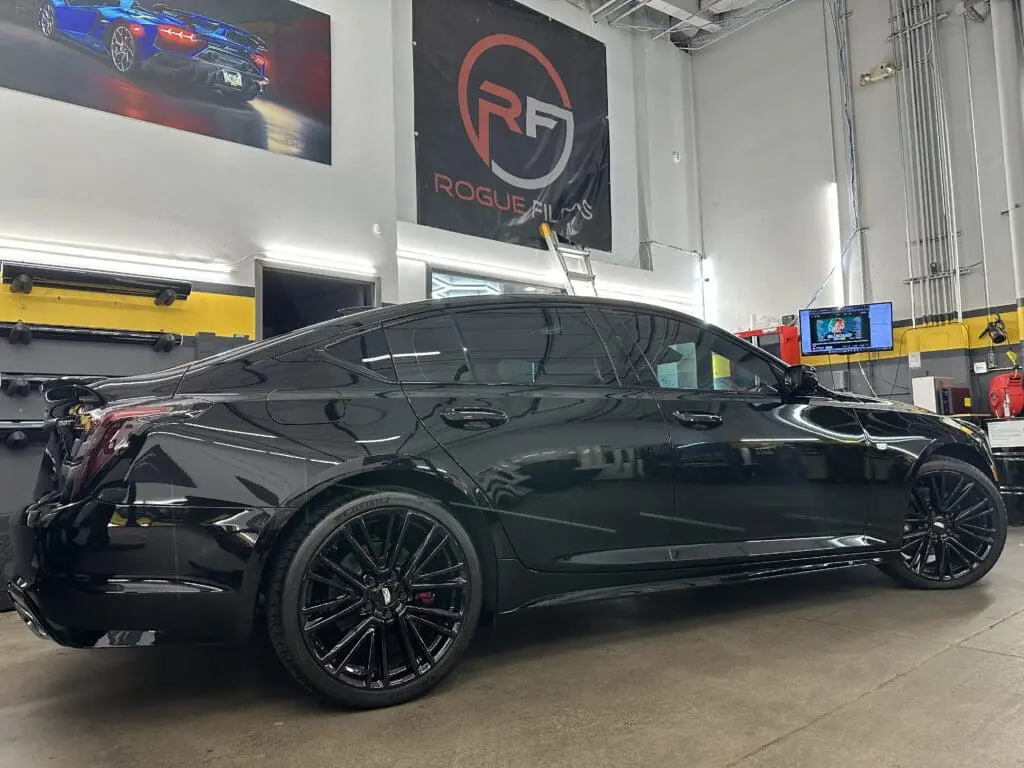
Car Ceramic Window Tint
Choosing the Right Tint for Your Car
Know Your Options
Understanding the fundamental differences between dyed films offering basic privacy, hybrid combinations providing moderate performance, metallic options with connectivity concerns, and ceramic solutions delivering premium benefits without compromise enables informed decision-making that aligns with your specific priorities and requirements.
Performance Priorities
Successful tint selection requires balancing aesthetic preferences, functional requirements, budgetary considerations, and long-term value expectations, with ceramic options consistently delivering superior return on investment through enhanced durability, performance, and vehicle protection that justifies the initial investment.
Long-Term Value
Premium ceramic installations often pay for themselves through reduced air conditioning costs, prevented interior damage, enhanced comfort levels, and maintained vehicle resale value, making them the economically intelligent choice for drivers prioritizing quality and longevity.
Rogue Film AZ: Arizona’s Ceramic Tint Experts
Proven Installations
Our extensive experience with thousands of successful ceramic tint applications across Arizona’s diverse climate conditions demonstrates our commitment to precision installation techniques that maximize performance benefits while ensuring zero interference with electronic systems, backed by comprehensive warranty coverage.
Premium Products Only
We exclusively utilize industry-leading ceramic films from top-tier manufacturers, ensuring our customers receive cutting-edge technology that delivers exceptional heat rejection, UV protection, and optical clarity while maintaining complete compatibility with all modern vehicle electronics and communication systems.
Customer-First Service
Our transparent consultation process provides detailed information about ceramic tint benefits, realistic performance expectations, and professional guidance tailored to your specific vehicle and usage requirements, ensuring complete satisfaction with your investment in premium window film technology.
Transform Your Driving Experience with Confidence
The scientific evidence conclusively demonstrates that ceramic window tint poses zero risk to cell phone, GPS, or Bluetooth functionality while delivering substantial benefits in comfort, protection, and vehicle enhancement. Modern ceramic technology has permanently eliminated the signal interference concerns that plagued earlier metallic films, allowing you to enjoy premium tinting benefits without connectivity compromise.
Professional ceramic tint installation represents a smart investment in your vehicle’s protection, your driving comfort, and your peace of mind. The combination of advanced nano-ceramic technology, expert installation techniques, and proven real-world performance makes ceramic tint the clear choice for drivers who demand excellence without sacrifice.
Contact Rogue Films AZ today to schedule your ceramic tint consultation and discover why thousands of Arizona drivers trust our expertise to deliver flawless installations that enhance every aspect of their driving experience while maintaining perfect electronic connectivity.