


How Windshield Film Enhances Safety During Desert Driving
Desert highways present some of the most challenging driving conditions in North America, where extreme temperatures, relentless solar radiation, and high-velocity debris create a perfect storm of threats to vehicle safety. The expansive stretches of asphalt that cut through Arizona’s Sonoran Desert expose drivers to environmental hazards that can compromise both vehicle integrity and occupant safety in ways that urban driving simply cannot replicate.
Windshield Film (WPF) represents a paradigm shift from reactive maintenance to proactive safety engineering. This isn’t merely an automotive accessory—it’s a technologically advanced defense system specifically engineered to combat the unique environmental challenges that desert driving presents. Premium WPF transforms your windshield into a fortified barrier capable of withstanding the relentless assault of desert conditions while maintaining optimal optical clarity.
This comprehensive analysis will demonstrate how professional-grade windshield protection film serves as a multi-faceted safety system, addressing everything from high-impact debris resistance to advanced UV radiation management, ensuring that your desert driving experience remains both safe and comfortable.
Superior Impact Resistance Against High-Velocity Debris
The Threat of Rock Chips on Open Highways
Desert freeways present an elevated risk environment where construction vehicles, open-bed trucks, and high-speed traffic converge on surfaces where loose aggregate and debris are commonplace. The sparse traffic patterns typical of desert highways mean vehicles often travel at sustained high speeds, amplifying the kinetic energy of any debris impact exponentially.
The Science of Impact Absorption
Premium windshield protection film utilizes advanced multi-layer urethane construction specifically engineered to absorb and dissipate kinetic energy upon impact. This sophisticated material science transforms what would typically be a glass-shattering force into manageable energy that’s distributed across the film’s surface area, preventing the initial point of failure that leads to starring or catastrophic cracking.
Preventing Catastrophic Failure
By intercepting and neutralizing the initial impact, Windshield protection film eliminates the genesis point from which cracks propagate across the windshield. This prevention is critical at highway speeds, where a crack spreading across the driver’s line of sight can transform from a minor inconvenience into a life-threatening visibility obstruction in seconds.
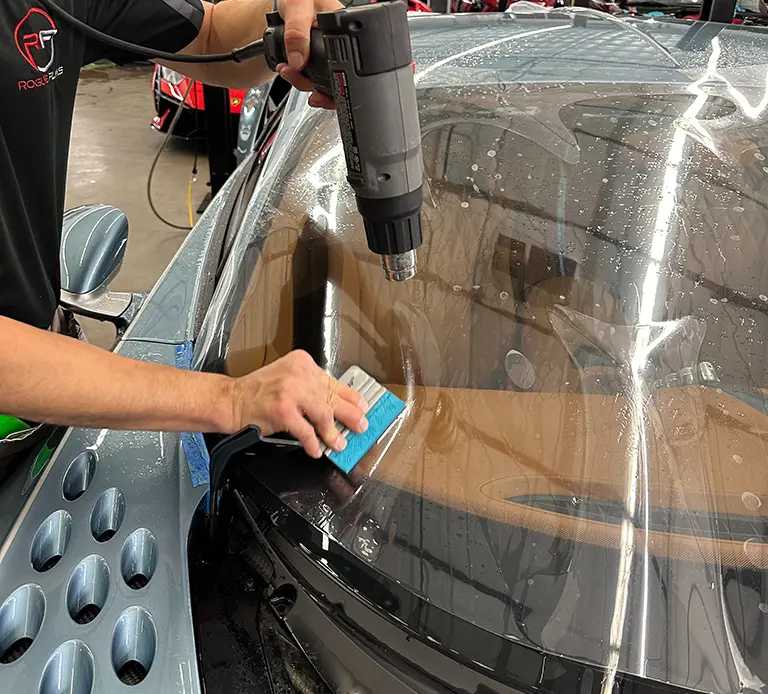
Windshield Protection Filming
Preserving Structural Integrity in Extreme Conditions
The Windshield’s Role in Vehicle Safety
Modern windshields function as integral structural components within a vehicle’s unibody construction, contributing up to 60% of cabin strength during rollover scenarios and providing essential support for passenger-side airbag deployment systems. This structural contribution makes windshield integrity paramount to occupant safety in any collision scenario.
Maintaining the OEM Factory Seal
The factory-installed windshield seal represents automotive engineering at its finest—a precision-manufactured interface that can never be perfectly replicated during aftermarket replacement. WPF preservation of this original seal maintains the windshield’s structural integrity specifications as designed by the vehicle manufacturer.
Averting Compromises from Replacement
Replacement windshields, regardless of quality, introduce variables in adhesive application, cure time, and structural bonding that can compromise the vehicle’s safety systems. By preventing the need for replacement through proactive protection, WPF ensures that critical safety systems remain uncompromised and function according to their original engineering specifications.
Mitigating Pitting and “Sandblasting” for Optimal Clarity
The Cumulative Effect of Fine Debris
Desert environments subject windshields to a phenomenon known as “sandblasting,” where wind-carried particles and traffic-generated debris create thousands of micro-impacts over time. This cumulative damage manifests as surface pitting that gradually degrades the windshield’s optical properties.
How Pitting Compromises Vision
Pitted windshield surfaces scatter light in unpredictable patterns, creating dangerous glare conditions during daylight hours and hazardous light diffusion from oncoming headlights during night driving. This optical degradation can transform routine visibility challenges into serious safety hazards.
WPF as a Sacrificial, Renewable Surface
Windshield protection film functions as a sacrificial layer that absorbs this micro-damage while preserving the underlying glass in pristine condition. When the film eventually shows wear patterns, it can be professionally removed and replaced, instantly restoring the windshield to factory-perfect optical clarity.
Advanced UV Radiation Blockage
The Intensity of Desert Sun Exposure
Desert climates expose vehicles to extreme levels of ultraviolet radiation that exceed what most automotive materials are designed to withstand long-term. This intense UV exposure accelerates interior degradation and poses direct health risks to vehicle occupants during extended exposure periods.
99.9% UV Rejection
Premium windshield protection films are engineered with advanced UV-blocking technology that eliminates over 99.9% of harmful UVA and UVB radiation. This protection level transforms your windshield into a powerful, transparent barrier against one of the desert’s most persistent threats.
Protecting Occupants and Vehicle Assets
This comprehensive UV protection serves dual purposes: safeguarding driver and passenger health from prolonged UV exposure while preventing the fading, cracking, and degradation of interior materials that can significantly impact vehicle value and comfort.
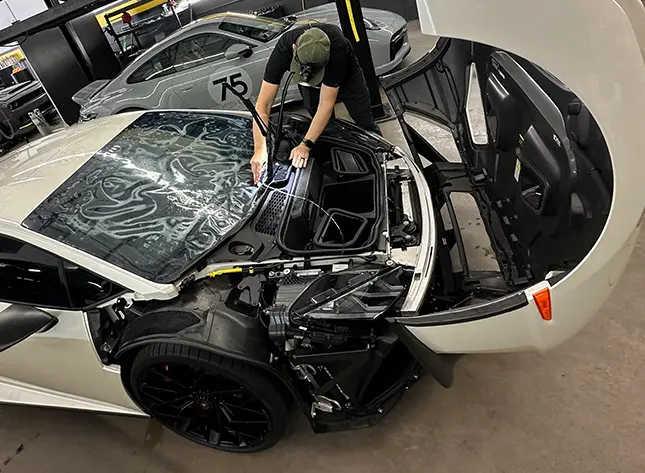
Windshield Protection Film Installation
Reducing Infrared Heat for Enhanced Driver Comfort and Focus
Infrared Radiation as a Source of Heat
Advanced windshield protection films incorporate infrared-blocking technology that targets the invisible spectrum of solar radiation responsible for generating intense cabin heat. This technology addresses solar heat at its source rather than attempting to manage it after it has already entered the vehicle.
Lowering Cabin Temperatures
By intercepting infrared radiation before it penetrates the cabin, WPF significantly reduces interior temperatures and lessens the burden on air conditioning systems. This temperature reduction translates directly into improved fuel efficiency and reduced mechanical stress on climate control components.
Mitigating Driver Fatigue
Cooler cabin environments directly correlate with reduced driver fatigue during long desert drives. By maintaining comfortable interior conditions, WPF contributes to sustained driver alertness and focus, critical factors in maintaining road safety during extended highway travel.
Enhanced Shatter Resistance
Holding Glass Fragments Together
In severe impact scenarios where glass failure is unavoidable, windshield protection film provides an additional layer of fragment containment. The film’s tensile strength holds shattered glass pieces together, preventing them from becoming projectiles within the cabin space.
Reducing Risk of Injury from Glass Shards
This shatter-resistant property significantly reduces the danger of sharp glass fragments causing occupant injury during collision scenarios. The film acts as a secondary containment system that works in conjunction with laminated safety glass to maximize occupant protection.
A Critical Layer of Redundant Safety
WPF functions as an additional safety redundancy, enhancing the protective capabilities of modern laminated windshields. This layered approach to safety engineering provides superior occupant protection through multiple, complementary protective systems.
Financial Safety: Avoiding Costly ADAS Recalibration
The Complexity of Modern Windshields
Contemporary windshields integrate sophisticated camera and sensor arrays that enable Advanced Driver-Assistance Systems including lane-keeping assistance, collision avoidance, and emergency braking. These systems require precise calibration to function within their safety parameters.
The High Cost of Replacement and Recalibration
Replacing ADAS-equipped windshields involves not only the cost of the glass itself but also expensive recalibration procedures that must be performed by certified technicians using specialized equipment. These combined costs can easily exceed several thousand dollars for premium vehicles.
WPF as a High-ROI Investment
The investment in professional windshield protection film provides exceptional return on investment by eliminating the need for these costly replacement and recalibration procedures. The film cost represents a fraction of a single ADAS windshield replacement, making it a financially sound protective measure.
Ensuring Flawless Visibility Through Professional Installation
The Mandate for Optical Perfection
The safety benefits of windshield protection film are entirely dependent upon achieving a flawless, distortion-free installation. Any imperfections in the application process can create visual obstructions that compromise rather than enhance driver safety.
Risks of Improper Application
Substandard installation techniques can introduce air bubbles, contamination, or adhesive irregularities that create dangerous visual distortions. These defects can scatter light, create blind spots, or generate optical illusions that significantly impair driving safety.
The Professional Guarantee of Clarity
Elite installation specialists utilize controlled environments, precision application techniques, and premium materials to guarantee optically perfect results. This professional approach ensures that WPF enhances rather than compromises visibility and safety.
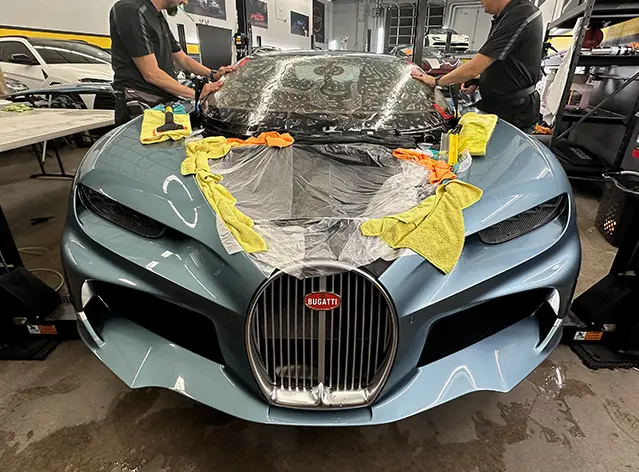
Windshield Protection Film Installation Expert
The Rogue Film AZ Installation Protocol: A Symphony of Precision
Exhaustive Multi-Stage Decontamination
Our installation process begins with comprehensive vehicle preparation including thorough washing, chemical decontamination to eliminate iron particles and tar residue, and clay bar treatment to ensure absolute surface purity. This meticulous preparation creates the optimal foundation for flawless film adhesion.
The Controlled Application Environment
Installation of windshield protection film occurs within our precision-controlled environment featuring advanced air filtration systems, regulated temperature control, and professional lighting arrays. These controlled conditions eliminate environmental variables that could compromise installation quality.
Curing, Inspection, and Quality Assurance
Post-application procedures include infrared curing to optimize adhesive bonding and comprehensive multi-point quality inspections. Every installation undergoes rigorous evaluation to ensure it meets our exacting standards before vehicle delivery.
Maximizing Desert Driving Safety Through Advanced Protection
Windshield protection film represents a comprehensive safety system engineered to combat the diverse challenges of desert driving conditions. From high-velocity impact resistance to advanced UV protection, WPF addresses multiple threat vectors through a single, technologically advanced solution.
For Arizona drivers who regularly navigate desert highways, professional-grade windshield protection film isn’t an optional upgrade—it’s an essential investment in safety, visibility, and vehicle preservation. The harsh realities of desert driving demand proactive protection measures that match the severity of environmental challenges.
Consult with certified automotive protection specialists to implement this critical safety enhancement. Professional installation ensures optimal performance and guarantees that your investment delivers maximum safety benefits for years of confident desert driving.