


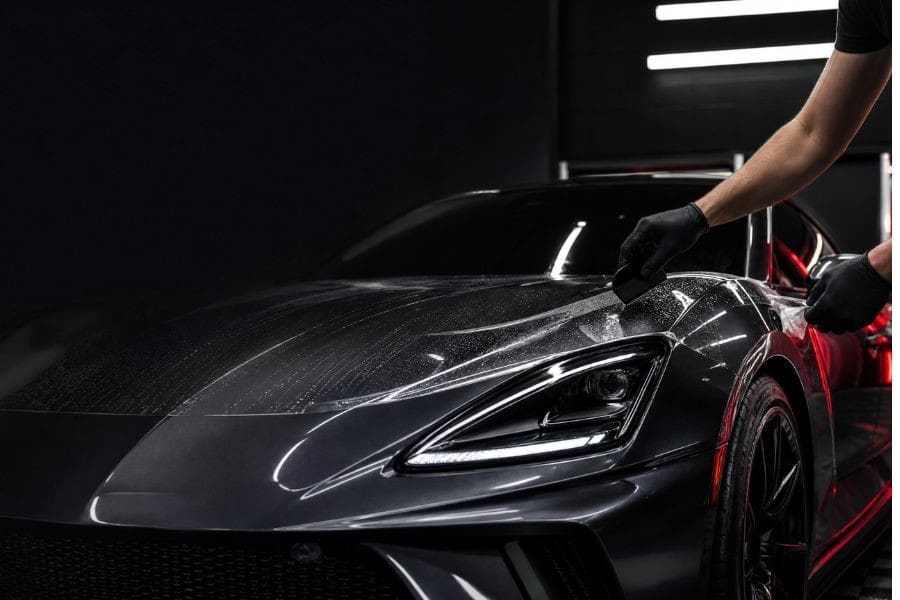
A quality paint protection film (PPF) typically lasts 5 to 10 years, with premium films reaching the upper end of that range when they receive proper installation, washing, and maintenance. The exact lifespan depends on the film itself, exposure to sunlight and road debris, installation quality, driving habits, and how the vehicle is maintained.
That range matters because PPF is not a permanent coating. It is a sacrificial protective layer placed over painted surfaces. Instead of letting every stone chip, road contaminant, or minor abrasion reach the factory finish, the film takes much of that wear first.
The PPF industry has also expanded steadily. One 2026 market analysis estimates the global paint protection film market at about $670.09 million in 2026, with projected growth to more than $1.08 billion by 2034. Another industry estimate places the automotive and transportation segment at $391.2 million in 2025. The numbers differ by research methodology, but both point toward growing demand for exterior paint protection.
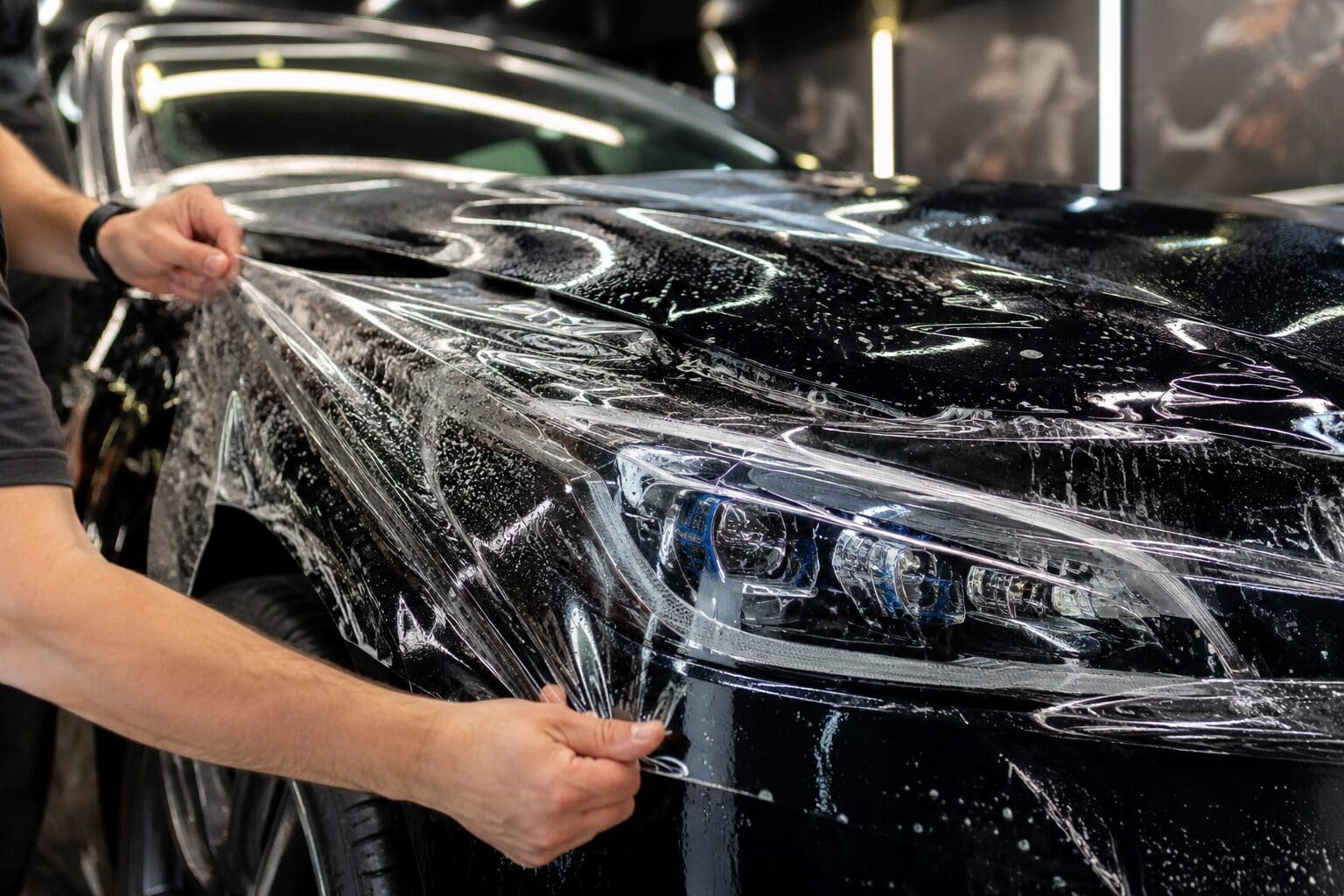
What Determines How Long PPF Lasts?
Not every vehicle experiences the same conditions. Two cars fitted with the same film could show noticeably different results after several years.
1. Film quality
The material used in modern automotive PPF has a direct effect on longevity. Premium films often use thermoplastic polyurethane (TPU), a material known for flexibility, impact resistance, optical clarity, and self-healing properties.
Industry data shows TPU holding a dominant position in the PPF market. Grand View Research estimates that TPU accounted for 82.9% of the market by material in 2025.
Premium manufacturers also offer lengthy product warranties. For example, XPEL lists a 10-year limited warranty for its ULTIMATE PLUS and STEALTH PPF, covering specified film defects such as yellowing, cracking, blistering, and delamination when warranty requirements are met.
A warranty is not the same thing as a guaranteed lifespan. It primarily addresses covered product defects. Normal wear, physical abuse, improper maintenance, and installation-related issues fall outside specific warranty conditions.
2. Installation quality
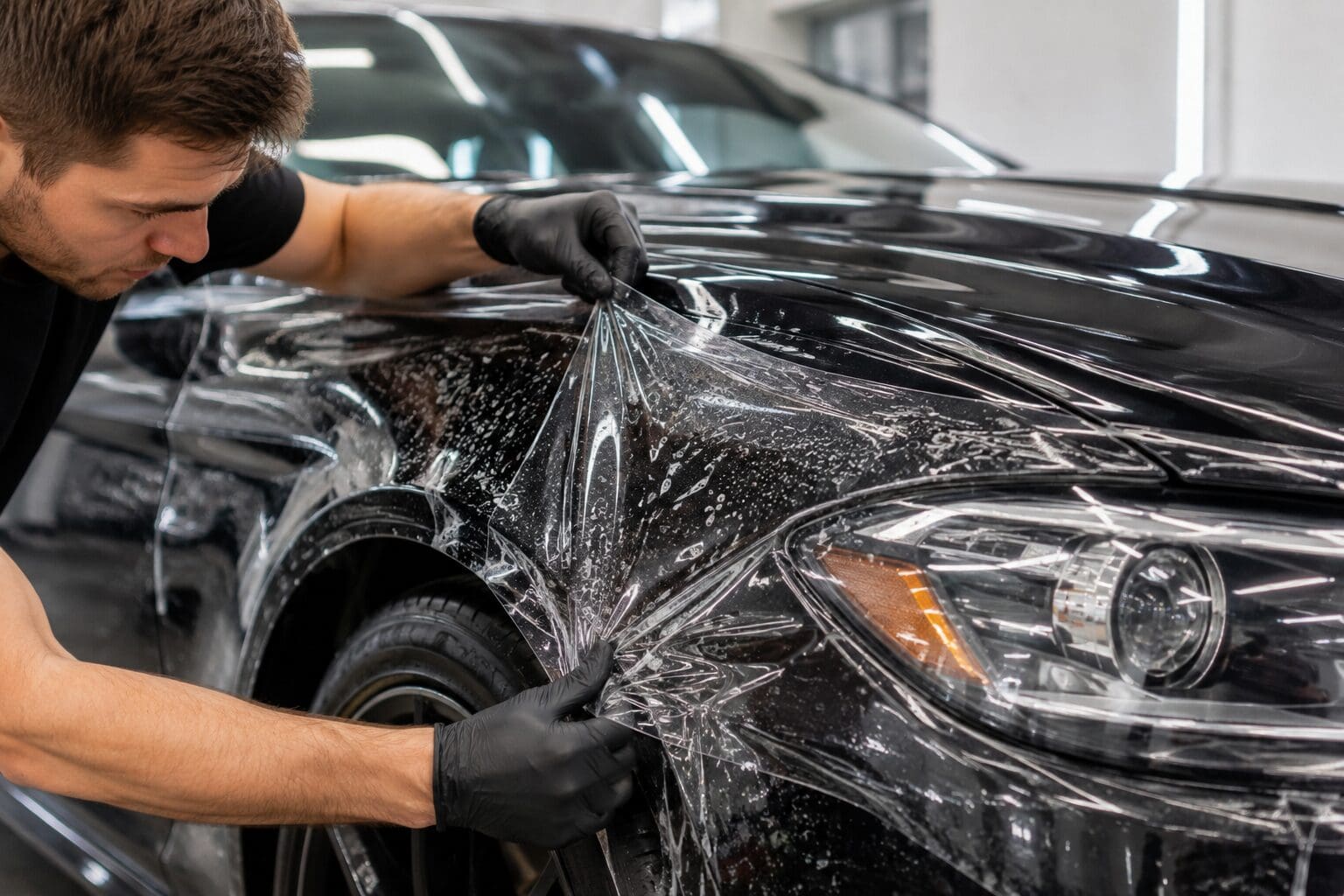
Even an excellent film suffers when the installation is rushed or poorly executed.
The installer needs to prepare the paint properly, remove contamination, position the film accurately, manage edges and curves, and avoid trapped debris or excessive stretching. Poor installation often shows through lifting edges, visible contamination, bubbles, premature adhesive failure, or uneven finishing.
Professional installation also matters for warranty eligibility. XPEL, for example, states that its covered PPF products must be professionally installed according to its recommended procedures.
This is one reason the installer deserves as much attention as the brand of film.
Does Sun Exposure Reduce PPF Lifespan?
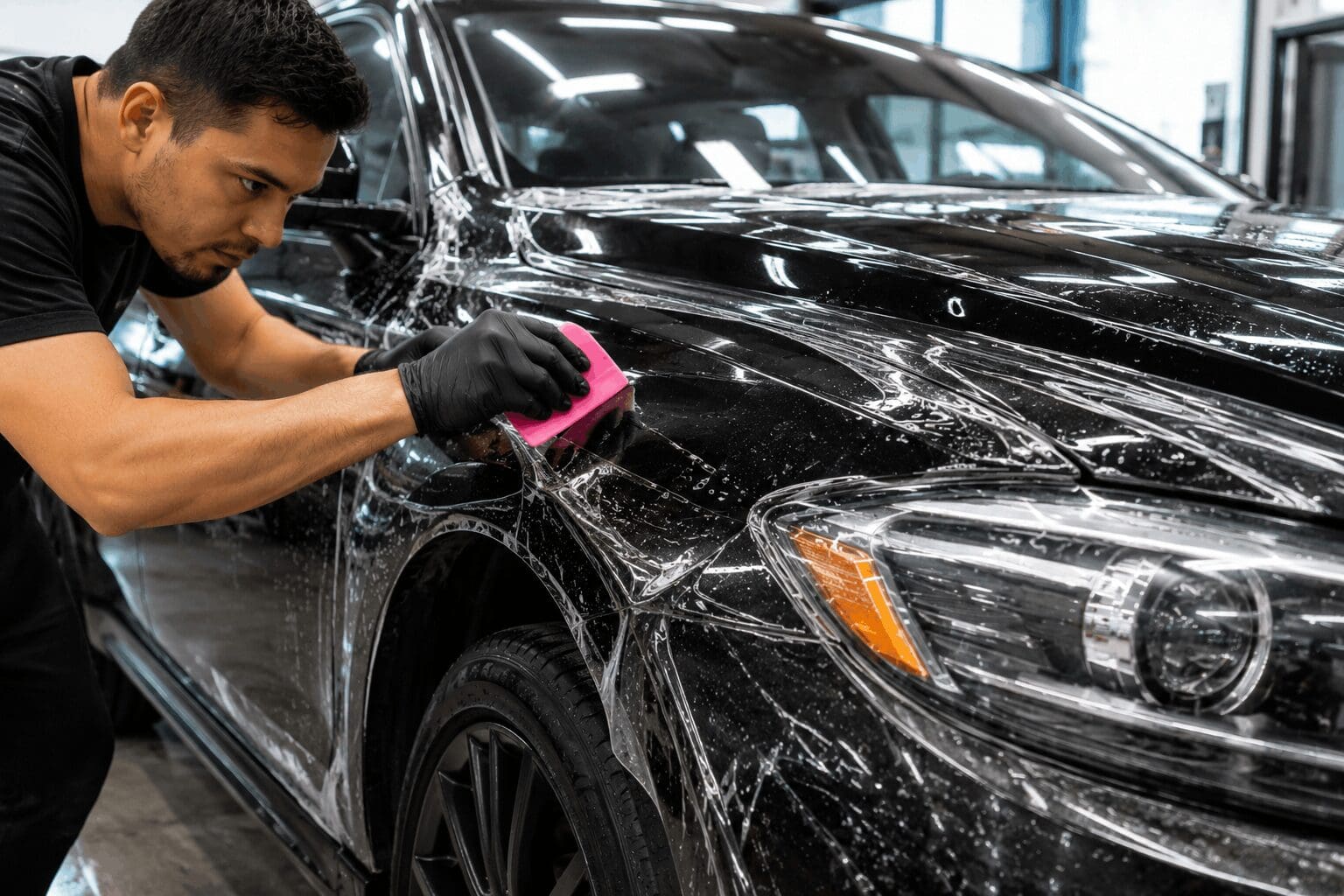
Yes. Constant ultraviolet exposure places additional stress on the film’s surface and adhesive system.
A vehicle parked outdoors every day in strong sunlight faces a different environment from a garage-kept weekend vehicle. Heat cycles, UV exposure, dust, moisture, bird droppings, tree sap, and airborne pollutants all contribute to surface aging.
Modern PPF is designed to withstand these conditions far better than earlier generations of protective film. Still, no exterior material remains unaffected indefinitely.
Regular cleaning helps because contaminants sitting on the surface for extended periods create additional chemical and environmental stress.
How Self-Healing PPF Affects Longevity
Self-healing technology is one of the biggest developments in modern PPF.
The top layer of a self-healing film is engineered to recover from certain light scratches and swirl marks when exposed to heat. That heat might come from sunlight, warm water, or another manufacturer-approved method.
There is an important distinction, though.
Self-healing does not mean damage disappears regardless of its severity. Deep scratches, cuts, punctures, impact damage, and damage that penetrates through the film remain visible.
The benefit is more practical: everyday surface marks are less likely to permanently affect the film’s appearance. XPEL describes its ULTIMATE PLUS product as offering self-healing for minor scratches and swirl marks.
What Happens When PPF Starts Aging?
PPF usually does not reach the end of its useful life overnight. Signs tend to appear gradually.
You might notice:
- Yellowing or discoloration
- Loss of gloss or surface clarity
- Cracking
- Edge lifting
- Bubbling
- Peeling
- Staining
- Deep scratches or cuts
- Adhesive deterioration
Some of these problems indicate product aging. Others result from poor installation, harsh chemicals, physical damage, or neglect.
If the film begins lifting around an edge, do not keep pulling at it. A professional installer should inspect the affected area and determine whether a repair or replacement is appropriate.
How to Make PPF Last Longer
Maintenance does not need to be complicated. Consistency matters more.
Wash the vehicle regularly using automotive-safe products. Avoid harsh chemicals, aggressive scrubbing, abrasive pads, and cleaning methods that place unnecessary stress on film edges.
Bird droppings, bug residue, tree sap, and road contaminants should be removed promptly. These substances become harder to clean as they remain on the surface.
When washing, work gently around exposed film edges. High-pressure water directed too closely at an edge might contribute to lifting, particularly if the film has already started separating from the paint.
A professional inspection is also worthwhile when the vehicle sees heavy mileage, frequent highway driving, or harsh outdoor conditions.
Some manufacturers include maintenance requirements within their warranty terms. XPEL, for example, specifies annual inspections for certain covered PPF products and requires documentation of those inspections for warranty-related issues.
Does PPF Protect Against Every Type of Damage?
No. PPF is designed primarily for surface protection.
It is particularly useful against road debris, stone chips, minor scratches, bug splatter, and everyday abrasion. It does not make the paint immune to major collisions, deep impacts, vandalism, or every environmental contaminant.
Think of it as an additional protective layer rather than an indestructible barrier.
The coverage area also matters. A full-front installation protects more vulnerable painted surfaces than a small partial-front package. If your vehicle spends considerable time on highways, areas such as the hood, bumper, fenders, mirrors, and rocker panels often receive substantial exposure.
When Should PPF Be Replaced?
There is no universal replacement date.
If the film still looks clear, remains firmly attached, and performs well, replacement might not be necessary solely because several years have passed. On the other hand, severe yellowing, cracking, peeling, staining, or extensive impact damage is a strong reason to have the film assessed.
A quality PPF installation is therefore less about counting calendar years and more about monitoring the film’s condition.
For many owners, 5 to 7 years represents a practical service window under normal use, while premium products with strong installation and maintenance records often target 10 years of service or warranty coverage. The manufacturer’s specifications should always take priority over a generic lifespan estimate. XPEL’s current warranty documentation, for example, specifies 10 years for ULTIMATE PLUS and STEALTH products under its stated conditions.
Is Long-Lasting PPF Worth It?
For owners who care about preserving original paint, the value comes from reducing the amount of damage the factory finish receives during everyday driving.
A repaint rarely matches the condition and originality of untouched factory paint perfectly. PPF gives you an additional layer between the road and that finish, while modern self-healing technology helps maintain a cleaner appearance over time.
The strongest results come from three things working together: a quality film, precise installation, and sensible maintenance.
If you’re looking for a trusted PPF installation in Scottsdale, Arizona, look no further than Rogue Films. With a focus on precision installation, advanced protective film technology, and high standards for finish quality, Rogue Films helps vehicle owners protect their paint without compromising the appearance of their cars.
Don’t leave your vehicle’s finish to an inexperienced installer. Contact Rogue Films today to discuss your PPF requirements, explore the right coverage for your vehicle, and get started with professional paint protection in Scottsdale.